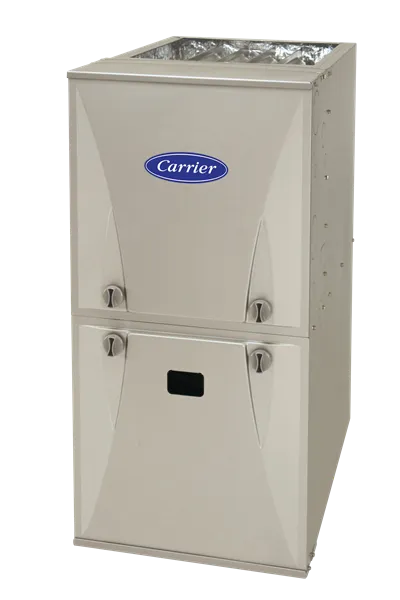
10 Furnace Parts And Their Roles In Keeping You Comfortable
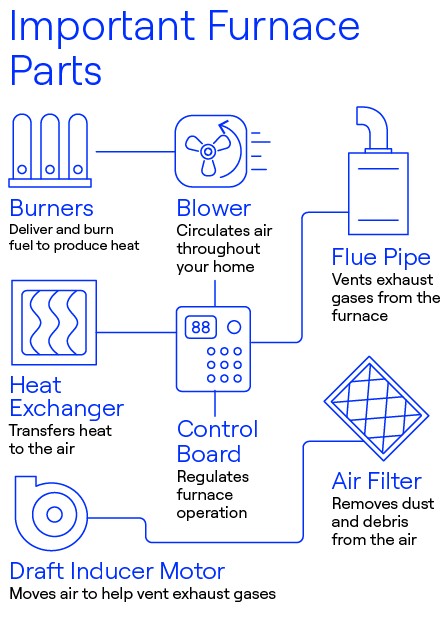
1. Burner
The burner is responsible for igniting the fuel, whether it’s natural gas, propane, or oil, to create heat. When the furnace thermostat detects that the temperature in your home has dropped, it signals the burner to activate. The burner releases gas into a combustion chamber where it’s ignited by the ignition system, and the combustion process begins.
2. Heat Exchanger
The heat exchanger is one of the most vital components of your furnace. Once the burner ignites the fuel, the heat exchanger absorbs the heat generated by the combustion process. It then transfers this heat to the air that flows through the furnace. The heat exchanger is designed to ensure the hot gases from the combustion process don’t mix with the air that is circulated through your home. This component is crucial for maintaining air quality while efficiently heating your home.
3. Blower Motor
The blower motor is responsible for circulating the heated air from the furnace throughout your home. Once the heat exchanger warms the air, the blower motor pushes it through the ductwork to the vents in different rooms. The blower is also responsible for pulling cooler air into the furnace to be heated. The motor works in tandem with the thermostat to maintain the desired temperature by adjusting the fan speed based on demand.
4. Thermostat
The thermostat is the control center for your furnace. It monitors the temperature in your home and signals the furnace to activate when it senses that the room temperature has dropped below the set level. Once the furnace reaches the desired temperature, the thermostat sends a signal to shut it off. Modern thermostats allow for precise temperature control, and many are programmable to save energy and optimize comfort.
5. Flame Sensor
The flame sensor is a safety device that ensures the burner is operating correctly. It detects the presence of a flame in the combustion chamber. If the flame sensor does not detect a flame, it will shut down the gas supply to prevent unburned gas from accumulating, which could cause a dangerous situation. A faulty flame sensor is one of the common reasons a furnace might fail to ignite.
6. Gas Valve
The gas valve controls the flow of gas to the burner. When the thermostat signals the furnace to turn on, the gas valve opens to allow gas to flow to the burner. If the valve is malfunctioning, it can prevent the furnace from igniting, or it could result in a dangerous gas leak. Properly functioning gas valves are crucial for safe and efficient furnace operation.
7. Inducer Fan
The inducer fan is responsible for ensuring proper airflow through the furnace, particularly for venting combustion gases out of the furnace. It creates negative pressure inside the combustion chamber to draw gases away from the burner and direct them out through the exhaust system. The inducer fan is crucial for preventing the buildup of dangerous carbon monoxide in the home.
8. Control Board
The control board is essentially the brain of the furnace. It manages all the electrical components and ensures they work in harmony. It controls the burner, blower motor, inducer fan, and other components based on the signals it receives from the thermostat and other sensors. If the control board malfunctions, the furnace might fail to start or run inefficiently.
9. Air Filter
The air filter is a simple yet essential part of your furnace system. It’s responsible for trapping dust, dirt, and other debris before the air is circulated through your home. A clean filter ensures proper airflow and prevents dirt from entering the furnace components, which can cause them to wear out prematurely. Regularly changing the furnace filter is crucial for maintaining furnace efficiency and indoor air quality.
10. Pilot Light or Igniter
Older furnaces often use a pilot light to ignite the gas in the burner, while modern systems typically use an electronic igniter. The igniter generates heat to ignite the gas when the furnace is activated. If the pilot light or igniter fails, the furnace won’t be able to start, and you may need to replace the component.
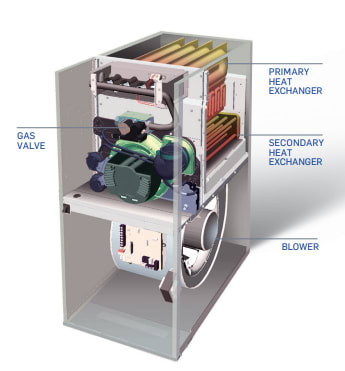
A furnace consists of several components, each playing a vital role in the heating process. Understanding these parts can help you better maintain your system and troubleshoot issues when they arise. Regular furnace maintenance, such as replacing the air filter, checking for gas leaks, and inspecting the burner and heat exchanger, will help keep your furnace running efficiently and ensure your home remains comfortable throughout the winter months. Reach out to Ariana Heating for all of your furnace needs.
