FAQ
Helpful Insights on HVAC Repairs, Costs, and Preventive Care
FAQs
Helpful Insights on HVAC Repairs, Costs, and Preventive Care
Is it Worth Replacing a Heat Exchanger in a Furnace in Port Coquitlam?
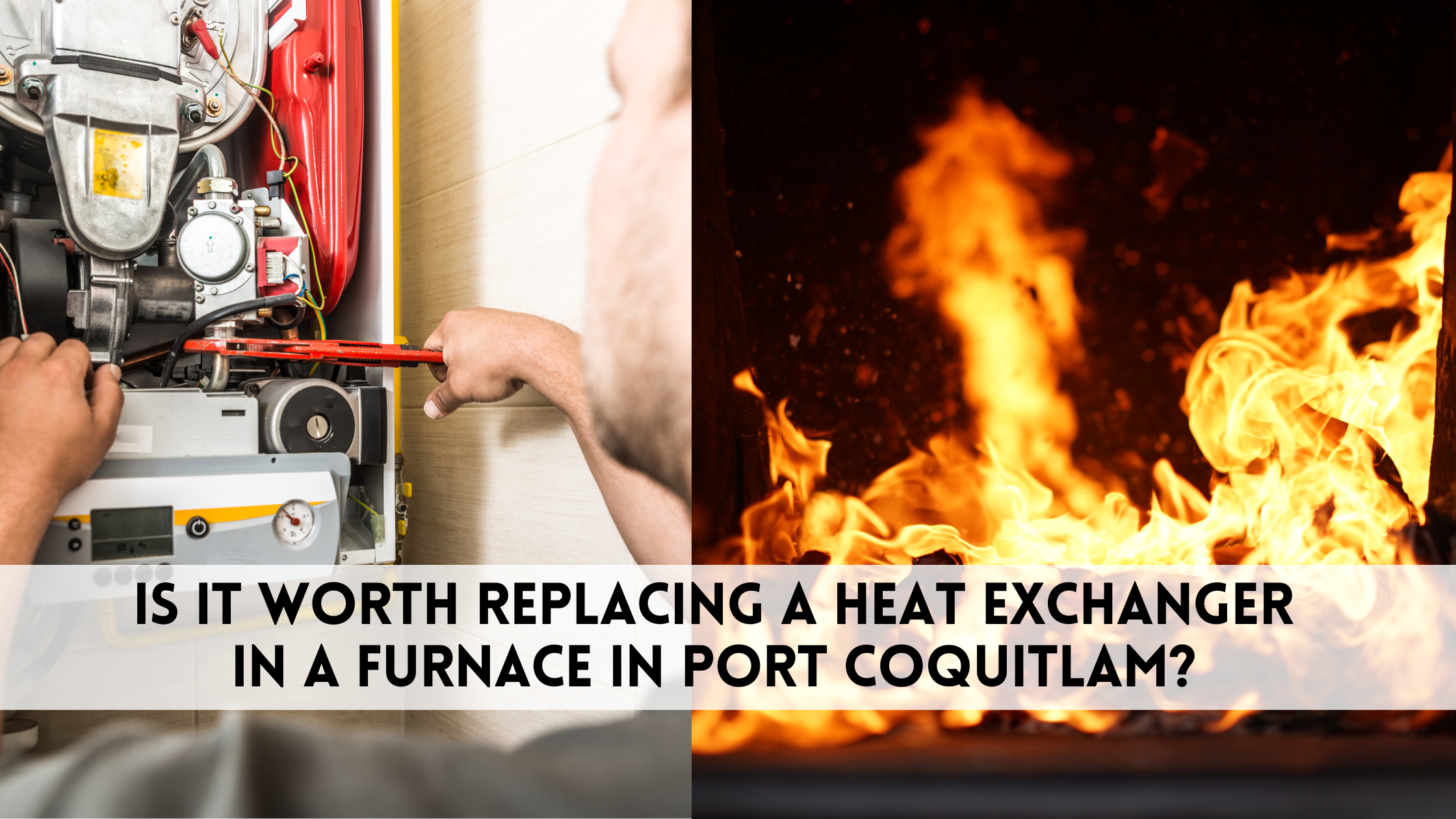
A furnace heat exchanger is one of the most important components responsible for safe and efficient home heating. Damage or cracks within the heat exchanger can reduce furnace performance, increase energy costs, and create serious indoor safety concerns. Many homeowners searching for answers often ask, " Is it worth replacing a heat exchanger in a furnace, especially when repair costs begin to rise. Several factors influence this decision, including furnace age, overall efficiency, warranty coverage, and repair frequency. Homeowners in Port Coquitlam should carefully evaluate both repair and replacement options to maintain dependable heating performance, lower utility expenses, and improve long-term indoor comfort.
What Does a Heat Exchanger Do in a Furnace?
A furnace heat exchanger is a critical component that transfers heat from the combustion process into the air circulated throughout the home. It helps the furnace produce consistent indoor heating while keeping harmful combustion gases separated from breathable indoor air. During operation, the heat exchanger heats up as the blower moves warm air through the duct system for efficient temperature control. Over time, factors such as overheating, restricted airflow, corrosion, and lack of furnace maintenance can damage the heat exchanger. Cracks or wear within this component may reduce heating efficiency, increase energy costs, and create potential safety concerns that require immediate professional furnace inspection and repair.
Common Furnace Heat Exchanger Crack Symptoms
Recognizing furnace heat exchanger crack symptoms early can help prevent expensive repairs and potential safety hazards. Some warning signs are more noticeable than others, especially during periods of heavy furnace use.
Unusual burning odors coming from furnace vents during operation
Yellow burner flames instead of steady blue furnace flames
Rising heating bills caused by reduced furnace efficiency
Loud banging or rattling noises from the heating system
Frequent furnace cycling or inconsistent indoor temperatures
Soot buildup or poor indoor air quality near the furnace
Is It Safe to Run a Furnace With a Cracked Heat Exchanger?
Running a furnace with a cracked heat exchanger is not considered safe because the damage can allow harmful combustion gases, including carbon monoxide, to enter the indoor air supply. A cracked heat exchanger may also reduce heating efficiency, place additional strain on furnace components, and increase the risk of complete system failure.
Common warning signs include unusual furnace odors, yellow burner flames, soot buildup, and inconsistent heating performance. Continuing to operate the furnace without professional inspection can create serious indoor safety concerns. Technicians can properly diagnose heat exchanger damage and recommend the safest repair or furnace replacement solution, while heating and cooling system maintenance helps support long-term heating reliability.
Replace Heat Exchanger or New Furnace- Which Saves More Money?
One of the biggest questions homeowners face is deciding between replacing the heat exchanger and installing a completely new furnace. The right choice usually depends on the furnace’s age, repair history, efficiency level, and overall condition.
Replacing the Heat Exchanger May Make Sense When:
The furnace is less than 10 years old
The system is still under the manufacturer's warranty
The furnace has been well-maintained
Other major components remain in good condition
A New Furnace May Save More Money When:
The furnace is over 15 years old
Repairs are becoming frequent
Heating bills continue increasing
Efficiency ratings are outdated
Multiple furnace components are failing
While heat exchanger replacement can restore furnace operation, investing in a newer high-efficiency furnace may provide better long-term savings through lower utility costs and fewer repairs.
Is It Worth Replacing a Heat Exchanger in a Furnace?
Determining whether it is worth replacing a heat exchanger in a furnace depends on the system’s age, repair history, energy efficiency, and overall operating condition. For newer furnaces, heat exchanger replacement can be a practical and cost-effective solution, especially when warranty coverage helps reduce repair expenses. Replacing the damaged component may restore heating efficiency and extend the furnace lifespan for several more years. However, older furnaces with frequent breakdowns, rising energy bills, and outdated efficiency ratings may not justify major repair investments. In many cases, installing a new energy-efficient furnace provides better long-term value, lower operating costs, improved indoor comfort, and more dependable heating performance compared to repeated furnace repairs and ongoing maintenance expenses.
How Professional Furnace Inspections Help Prevent Major Repairs?
Routine furnace inspections help identify small issues before they develop into expensive repairs or complete system failures. During a professional inspection, HVAC technicians evaluate the heat exchanger, burners, airflow, safety controls, and overall furnace performance. Preventive maintenance can help:
Detect cracks or corrosion early
Improve heating efficiency
Reduce unexpected breakdowns
Extend furnace lifespan
Maintain safer indoor air quality
Lower long-term repair costs
Final Words
Determining whether to replace a furnace heat exchanger or install a new heating system depends on several important factors, including furnace age, heat exchanger replacement costs, energy efficiency, and long-term reliability. Addressing furnace heat exchanger crack symptoms early can help prevent larger heating problems, improve indoor safety, and reduce unexpected repair expenses.
While heat exchanger replacement may extend the life of newer furnaces, older systems often benefit more from upgrading to a high-efficiency furnace. Professional furnace inspections help homeowners make informed decisions based on system performance and safety conditions. Ariana Heating & Air Conditioning Ltd provides expert furnace inspections, heat exchanger diagnostics, furnace repair, and energy-efficient heating solutions for reliable indoor comfort.
Frequently Asked Questions
Can a heat exchanger be replaced in a furnace?
Yes, a heat exchanger can be replaced in many furnaces. The decision usually depends on the furnace’s age, warranty status, repair costs, and overall system condition.
How long does a furnace heat exchanger last?
Most furnace heat exchangers can last between 10 and 20 years, depending on furnace maintenance, usage levels, airflow conditions, and installation quality.
What causes a furnace heat exchanger to crack?
Common causes include overheating, restricted airflow, dirty filters, metal fatigue, age, improper combustion, and lack of regular furnace maintenance.
Is replacing a furnace heat exchanger expensive?
Heat exchanger replacement can be costly because it involves significant labor and specialized furnace components. Costs vary depending on furnace model and warranty coverage.
Can a cracked heat exchanger leak carbon monoxide?
Yes, a cracked heat exchanger may allow carbon monoxide and other combustion gases to enter the home’s indoor air supply, creating serious safety concerns.

Frequently Asked Questions
Need Help? Find Quick Answers to Common HVAC Concerns
Q: Do I Need to Cover My Heat Pump in the Winter?
No, covering your heat pump during winter is not recommended. These units are designed to operate in all weather conditions, and covering them can restrict airflow and cause moisture buildup, potentially damaging the system.
Q: How Can I Find the Unit Size That Matches My House?
Determining the appropriate HVAC unit size depends on factors like your home’s square footage, insulation quality, number of windows, and more. A detailed load calculation by professionals can help identify the right unit size for optimal comfort and efficiency.
Q: Is It Safe to Plant Shrubs or Flowers Around an Outdoor Unit?
While landscaping can enhance aesthetics, it’s important to maintain at least a two-foot clearance around the outdoor unit to ensure proper airflow and ease of maintenance. Regular trimming is advised, especially in areas with rapid vegetation growth.
Q: Should a Thermostat Be Set to the “Auto” or “On” Position?
Setting the thermostat to “Auto” is generally recommended for energy efficiency, as the fan operates only when heating or cooling is needed. However, the “On” setting can provide continuous air circulation, which may be preferred for consistent airflow and filtration.
Q: What Do Rating Numbers Mean?
HVAC systems have efficiency ratings like SEER (Seasonal Energy Efficiency Ratio) for air conditioners and heat pumps, and AFUE (Annual Fuel Utilization Efficiency) for furnaces. Higher ratings indicate better energy efficiency, leading to cost savings and environmental benefits.
Q: What Does AFUE Stand For?
AFUE stands for Annual Fuel Utilization Efficiency, representing the percentage of fuel converted into usable heat by a furnace. A higher AFUE rating signifies a more efficient furnace.
Q: What Is the Difference Between a Split System and a Package Unit?
A split system consists of separate indoor and outdoor units, commonly used in residential settings. A package unit combines both components into a single outdoor unit, often used in commercial applications or homes with limited indoor space.
Q: What Does SEER Stand For?
SEER stands for Seasonal Energy Efficiency Ratio, measuring the efficiency of air conditioners and heat pumps. A higher SEER rating indicates greater energy efficiency.
Q: What Is HSPF?
HSPF stands for Heating Seasonal Performance Factor, assessing the efficiency of heat pumps in heating mode. A higher HSPF rating denotes better energy efficiency.
Q: When Replacing an Outdoor Unit, Do I Need to Replace the Indoor Unit Too?
It’s advisable to replace both units simultaneously to ensure compatibility and optimal efficiency, as mismatched components can lead to performance issues.
Q: Who Do I Contact for Heating and Cooling Products and Services?
For comprehensive HVAC services, you can contact Ariana Heating & Air Conditioning Ltd at (778) 861-7120 or via email at [email protected].
Furnace and Heating Systems FAQs
Q: How Can I Know When It Is Time to Replace My System?
Indicators include the system’s age (typically 15-20 years), frequent repairs, rising energy bills, and inconsistent heating. A professional assessment can determine if replacement is more cost-effective than repairs.
Q: How Long Does It Take to Install a System?
Installation time varies based on system type, accessibility, and additional ductwork requirements. Generally, it can range from a few hours to a couple of days.
Q: How Often Do I Need to Replace the Furnace Filters?
It’s recommended to replace furnace filters every three months. However, this can vary depending on filter type, air quality, and presence of pets.
Heat Pumps FAQs
Q: How Do I Know If My System Is Working Properly?
Signs of issues include unusual noises, high energy bills, frequent cycling, or uneven temperature control. If you notice any of these, it’s advisable to have your system evaluated by professionals.
Q: How Should I Maintain My Heat Pump?
Regular maintenance includes cleaning coils and filters, checking refrigerant levels, and ensuring secure electrical connections. Professional maintenance services can help keep your system running efficiently.
Q: What Are the Advanced Features to Look for in a Heat Pump?
Modern heat pumps may feature variable speed motors, smart thermostats, and noise reduction technologies. High-efficiency models often have elevated SEER and HSPF ratings.
Q: What Is a Heat Pump?
A heat pump is an HVAC system that provides both heating and cooling by transferring heat between the indoors and outdoors, depending on the season.
Electronic Air Cleaners FAQs
Q: How Do I Clean My Electronic Filters?
Turn off the air cleaner, remove pre-filters and collection cells, vacuum them gently, then soak in warm water with mild detergent for 15-20 minutes. Rinse thoroughly and let them dry completely before reinstalling. Always refer to the manufacturer’s manual for specific instructions.
System Maintenance FAQs
Q: Do I Need a Preventative Maintenance Agreement?
Yes, it ensures regular check-ups and tune-ups, leading to optimal performance, energy efficiency, and extended equipment lifespan. It also helps identify potential issues early.
Q: Do I Need Maintenance on Both My Indoor and Outdoor Unit?
Absolutely. Both units work together to heat or cool your home efficiently, so regular maintenance for both is essential to prevent inefficiencies and potential breakdowns.
Q: How Often Should I Change My Filter?
Check your filter monthly and replace it at least every three months. In environments with high dust levels or pets, more frequent changes may be necessary.
Q: I Have Water Draining on My Floor; Why Does This Happen?
This could indicate a blocked condensate drain, malfunctioning condensation pump, or a frozen evaporator coil. It’s best to contact professionals to diagnose and fix the issue.
Q: What Is the Benefit of Having a Preventative Maintenance Agreement?
Benefits include improved energy efficiency, extended equipment lifespan, consistent indoor comfort, lower utility bills, and fewer unexpected repairs. Regular maintenance also enhances indoor air quality.





Copyright © 2026 Ariana Heating & Air Conditioning Ltd. All rights reserved.