FAQ
Helpful Insights on HVAC Repairs, Costs, and Preventive Care
FAQs
Helpful Insights on HVAC Repairs, Costs, and Preventive Care
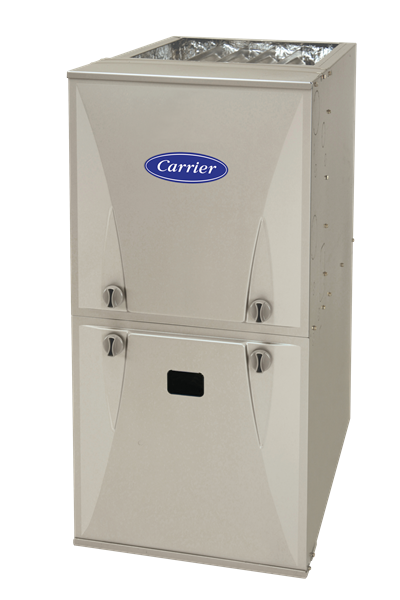
10 Furnace Parts And Their Roles In Keeping You Comfortable
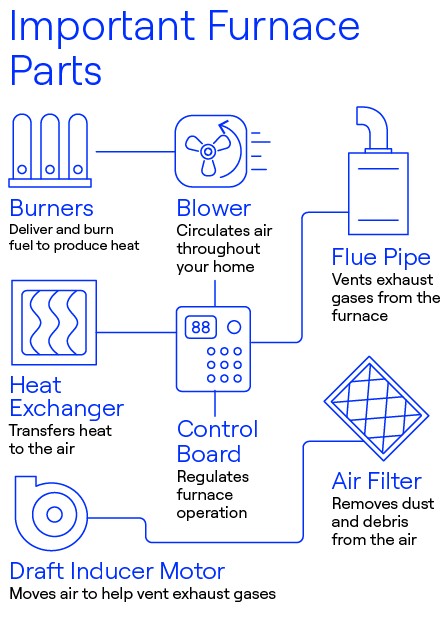
1. Burner
The burner is responsible for igniting the fuel, whether it’s natural gas, propane, or oil, to create heat. When the furnace thermostat detects that the temperature in your home has dropped, it signals the burner to activate. The burner releases gas into a combustion chamber where it’s ignited by the ignition system, and the combustion process begins.
2. Heat Exchanger
The heat exchanger is one of the most vital components of your furnace. Once the burner ignites the fuel, the heat exchanger absorbs the heat generated by the combustion process. It then transfers this heat to the air that flows through the furnace. The heat exchanger is designed to ensure the hot gases from the combustion process don’t mix with the air that is circulated through your home. This component is crucial for maintaining air quality while efficiently heating your home.
3. Blower Motor
The blower motor is responsible for circulating the heated air from the furnace throughout your home. Once the heat exchanger warms the air, the blower motor pushes it through the ductwork to the vents in different rooms. The blower is also responsible for pulling cooler air into the furnace to be heated. The motor works in tandem with the thermostat to maintain the desired temperature by adjusting the fan speed based on demand.
4. Thermostat
The thermostat is the control center for your furnace. It monitors the temperature in your home and signals the furnace to activate when it senses that the room temperature has dropped below the set level. Once the furnace reaches the desired temperature, the thermostat sends a signal to shut it off. Modern thermostats allow for precise temperature control, and many are programmable to save energy and optimize comfort.
5. Flame Sensor
The flame sensor is a safety device that ensures the burner is operating correctly. It detects the presence of a flame in the combustion chamber. If the flame sensor does not detect a flame, it will shut down the gas supply to prevent unburned gas from accumulating, which could cause a dangerous situation. A faulty flame sensor is one of the common reasons a furnace might fail to ignite.
6. Gas Valve
The gas valve controls the flow of gas to the burner. When the thermostat signals the furnace to turn on, the gas valve opens to allow gas to flow to the burner. If the valve is malfunctioning, it can prevent the furnace from igniting, or it could result in a dangerous gas leak. Properly functioning gas valves are crucial for safe and efficient furnace operation.
7. Inducer Fan
The inducer fan is responsible for ensuring proper airflow through the furnace, particularly for venting combustion gases out of the furnace. It creates negative pressure inside the combustion chamber to draw gases away from the burner and direct them out through the exhaust system. The inducer fan is crucial for preventing the buildup of dangerous carbon monoxide in the home.
8. Control Board
The control board is essentially the brain of the furnace. It manages all the electrical components and ensures they work in harmony. It controls the burner, blower motor, inducer fan, and other components based on the signals it receives from the thermostat and other sensors. If the control board malfunctions, the furnace might fail to start or run inefficiently.
9. Air Filter
The air filter is a simple yet essential part of your furnace system. It’s responsible for trapping dust, dirt, and other debris before the air is circulated through your home. A clean filter ensures proper airflow and prevents dirt from entering the furnace components, which can cause them to wear out prematurely. Regularly changing the furnace filter is crucial for maintaining furnace efficiency and indoor air quality.
10. Pilot Light or Igniter
Older furnaces often use a pilot light to ignite the gas in the burner, while modern systems typically use an electronic igniter. The igniter generates heat to ignite the gas when the furnace is activated. If the pilot light or igniter fails, the furnace won’t be able to start, and you may need to replace the component.
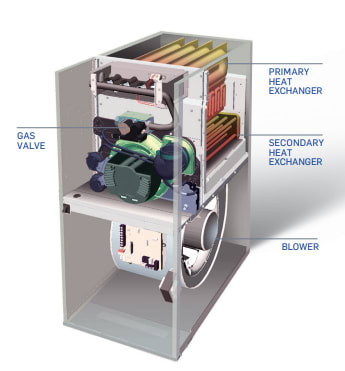
A furnace consists of several components, each playing a vital role in the heating process. Understanding these parts can help you better maintain your system and troubleshoot issues when they arise. Regular furnace maintenance, such as replacing the air filter, checking for gas leaks, and inspecting the burner and heat exchanger, will help keep your furnace running efficiently and ensure your home remains comfortable throughout the winter months. Reach out to Ariana Heating for all of your furnace needs.

Frequently Asked Questions
Need Help? Find Quick Answers to Common HVAC Concerns
Q: Do I Need to Cover My Heat Pump in the Winter?
No, covering your heat pump during winter is not recommended. These units are designed to operate in all weather conditions, and covering them can restrict airflow and cause moisture buildup, potentially damaging the system.
Q: How Can I Find the Unit Size That Matches My House?
Determining the appropriate HVAC unit size depends on factors like your home’s square footage, insulation quality, number of windows, and more. A detailed load calculation by professionals can help identify the right unit size for optimal comfort and efficiency.
Q: Is It Safe to Plant Shrubs or Flowers Around an Outdoor Unit?
While landscaping can enhance aesthetics, it’s important to maintain at least a two-foot clearance around the outdoor unit to ensure proper airflow and ease of maintenance. Regular trimming is advised, especially in areas with rapid vegetation growth.
Q: Should a Thermostat Be Set to the “Auto” or “On” Position?
Setting the thermostat to “Auto” is generally recommended for energy efficiency, as the fan operates only when heating or cooling is needed. However, the “On” setting can provide continuous air circulation, which may be preferred for consistent airflow and filtration.
Q: What Do Rating Numbers Mean?
HVAC systems have efficiency ratings like SEER (Seasonal Energy Efficiency Ratio) for air conditioners and heat pumps, and AFUE (Annual Fuel Utilization Efficiency) for furnaces. Higher ratings indicate better energy efficiency, leading to cost savings and environmental benefits.
Q: What Does AFUE Stand For?
AFUE stands for Annual Fuel Utilization Efficiency, representing the percentage of fuel converted into usable heat by a furnace. A higher AFUE rating signifies a more efficient furnace.
Q: What Is the Difference Between a Split System and a Package Unit?
A split system consists of separate indoor and outdoor units, commonly used in residential settings. A package unit combines both components into a single outdoor unit, often used in commercial applications or homes with limited indoor space.
Q: What Does SEER Stand For?
SEER stands for Seasonal Energy Efficiency Ratio, measuring the efficiency of air conditioners and heat pumps. A higher SEER rating indicates greater energy efficiency.
Q: What Is HSPF?
HSPF stands for Heating Seasonal Performance Factor, assessing the efficiency of heat pumps in heating mode. A higher HSPF rating denotes better energy efficiency.
Q: When Replacing an Outdoor Unit, Do I Need to Replace the Indoor Unit Too?
It’s advisable to replace both units simultaneously to ensure compatibility and optimal efficiency, as mismatched components can lead to performance issues.
Q: Who Do I Contact for Heating and Cooling Products and Services?
For comprehensive HVAC services, you can contact Ariana Heating & Air Conditioning Ltd at (778) 861-7120 or via email at [email protected].
Furnace and Heating Systems FAQs
Q: How Can I Know When It Is Time to Replace My System?
Indicators include the system’s age (typically 15-20 years), frequent repairs, rising energy bills, and inconsistent heating. A professional assessment can determine if replacement is more cost-effective than repairs.
Q: How Long Does It Take to Install a System?
Installation time varies based on system type, accessibility, and additional ductwork requirements. Generally, it can range from a few hours to a couple of days.
Q: How Often Do I Need to Replace the Furnace Filters?
It’s recommended to replace furnace filters every three months. However, this can vary depending on filter type, air quality, and presence of pets.
Heat Pumps FAQs
Q: How Do I Know If My System Is Working Properly?
Signs of issues include unusual noises, high energy bills, frequent cycling, or uneven temperature control. If you notice any of these, it’s advisable to have your system evaluated by professionals.
Q: How Should I Maintain My Heat Pump?
Regular maintenance includes cleaning coils and filters, checking refrigerant levels, and ensuring secure electrical connections. Professional maintenance services can help keep your system running efficiently.
Q: What Are the Advanced Features to Look for in a Heat Pump?
Modern heat pumps may feature variable speed motors, smart thermostats, and noise reduction technologies. High-efficiency models often have elevated SEER and HSPF ratings.
Q: What Is a Heat Pump?
A heat pump is an HVAC system that provides both heating and cooling by transferring heat between the indoors and outdoors, depending on the season.
Electronic Air Cleaners FAQs
Q: How Do I Clean My Electronic Filters?
Turn off the air cleaner, remove pre-filters and collection cells, vacuum them gently, then soak in warm water with mild detergent for 15-20 minutes. Rinse thoroughly and let them dry completely before reinstalling. Always refer to the manufacturer’s manual for specific instructions.
System Maintenance FAQs
Q: Do I Need a Preventative Maintenance Agreement?
Yes, it ensures regular check-ups and tune-ups, leading to optimal performance, energy efficiency, and extended equipment lifespan. It also helps identify potential issues early.
Q: Do I Need Maintenance on Both My Indoor and Outdoor Unit?
Absolutely. Both units work together to heat or cool your home efficiently, so regular maintenance for both is essential to prevent inefficiencies and potential breakdowns.
Q: How Often Should I Change My Filter?
Check your filter monthly and replace it at least every three months. In environments with high dust levels or pets, more frequent changes may be necessary.
Q: I Have Water Draining on My Floor; Why Does This Happen?
This could indicate a blocked condensate drain, malfunctioning condensation pump, or a frozen evaporator coil. It’s best to contact professionals to diagnose and fix the issue.
Q: What Is the Benefit of Having a Preventative Maintenance Agreement?
Benefits include improved energy efficiency, extended equipment lifespan, consistent indoor comfort, lower utility bills, and fewer unexpected repairs. Regular maintenance also enhances indoor air quality.






Copyright © 2026 Ariana Heating & Air Conditioning Ltd. All rights reserved.