Gallery
Helpful Insights on HVAC Repairs, Costs, and Preventive Care
Gallery
Helpful Insights on HVAC Repairs, Costs, and Preventive Care
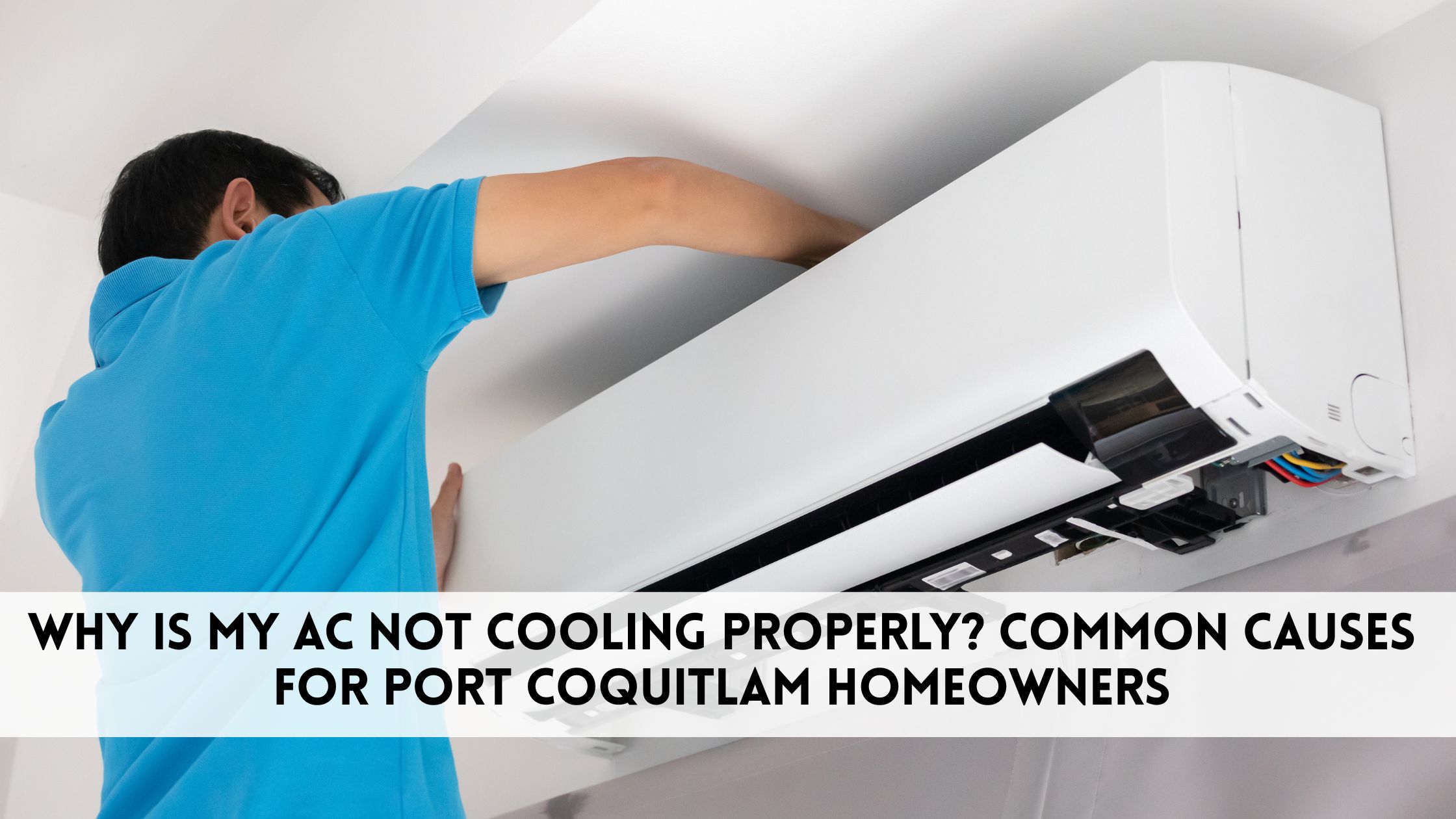
Why Is My AC Not Cooling Properly? Common Causes for Port Coquitlam Homeowners
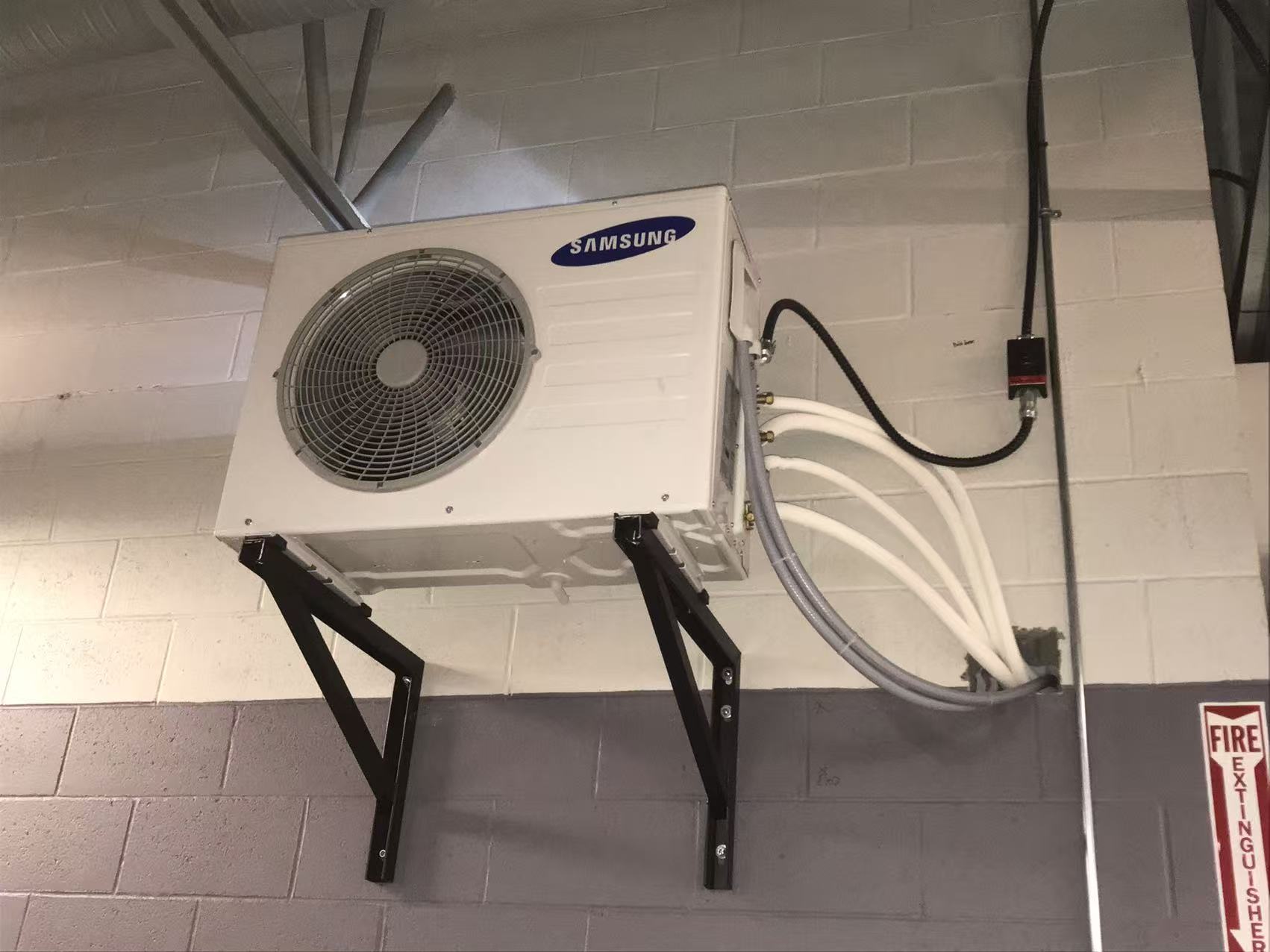
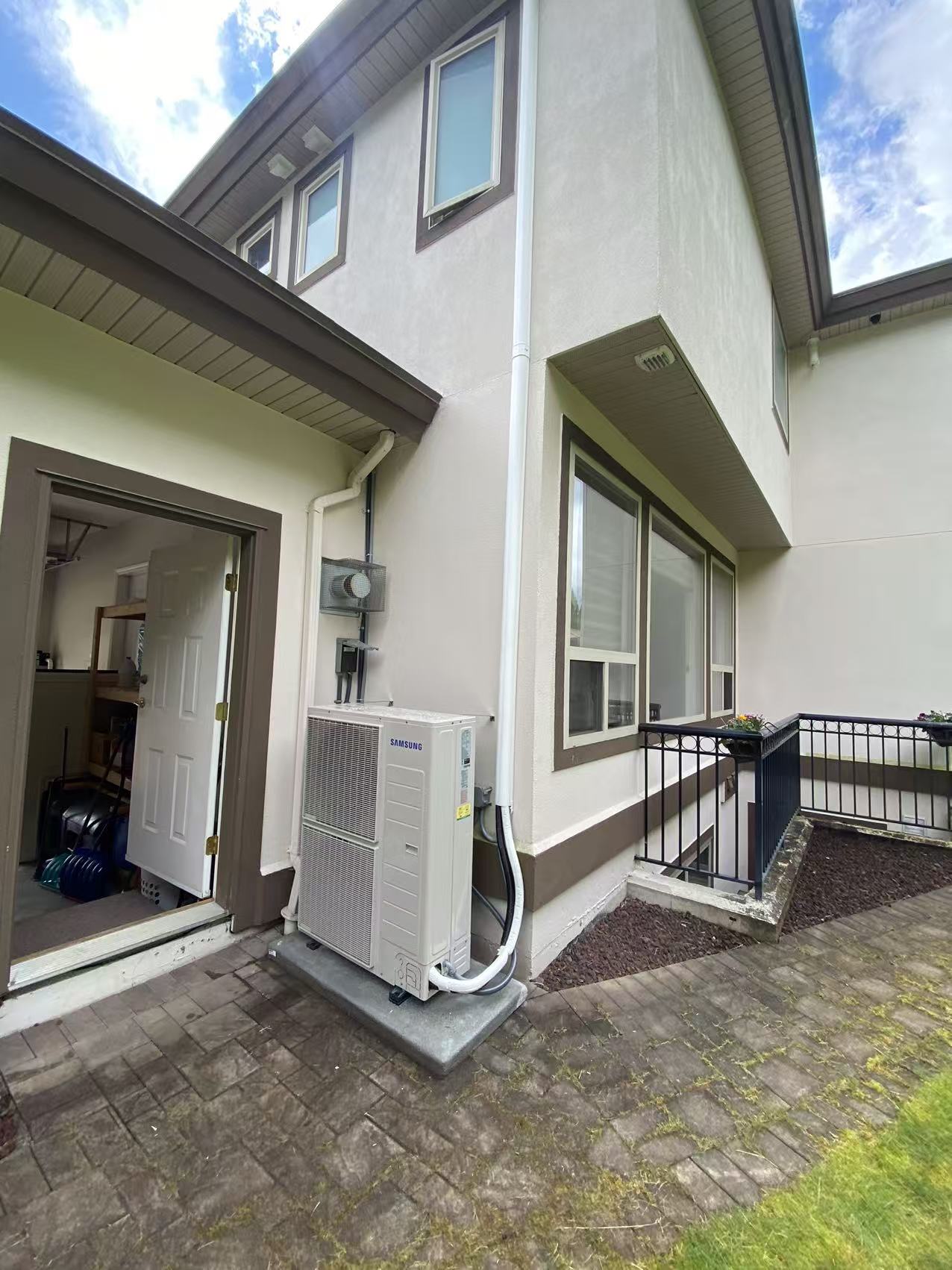
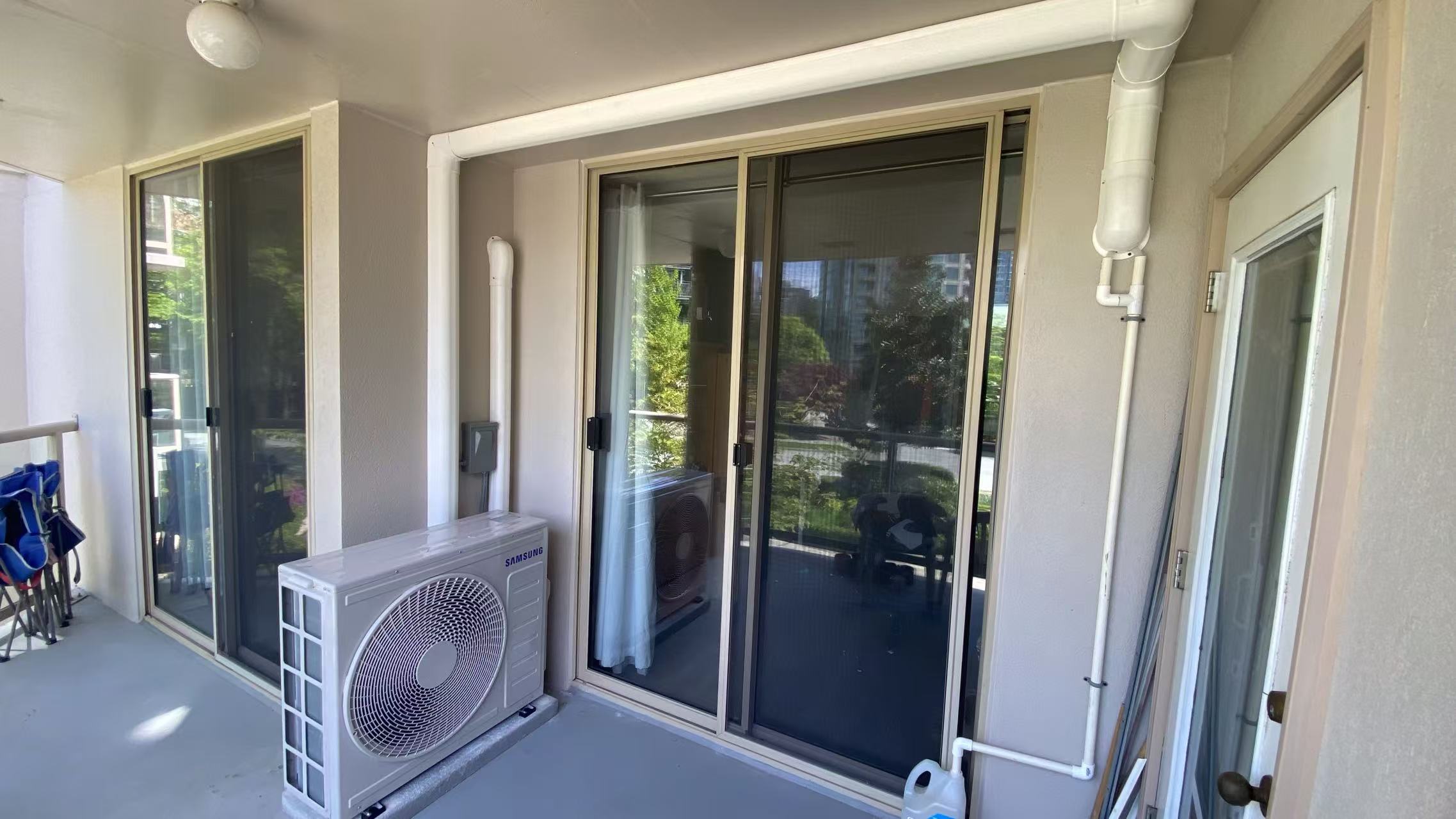
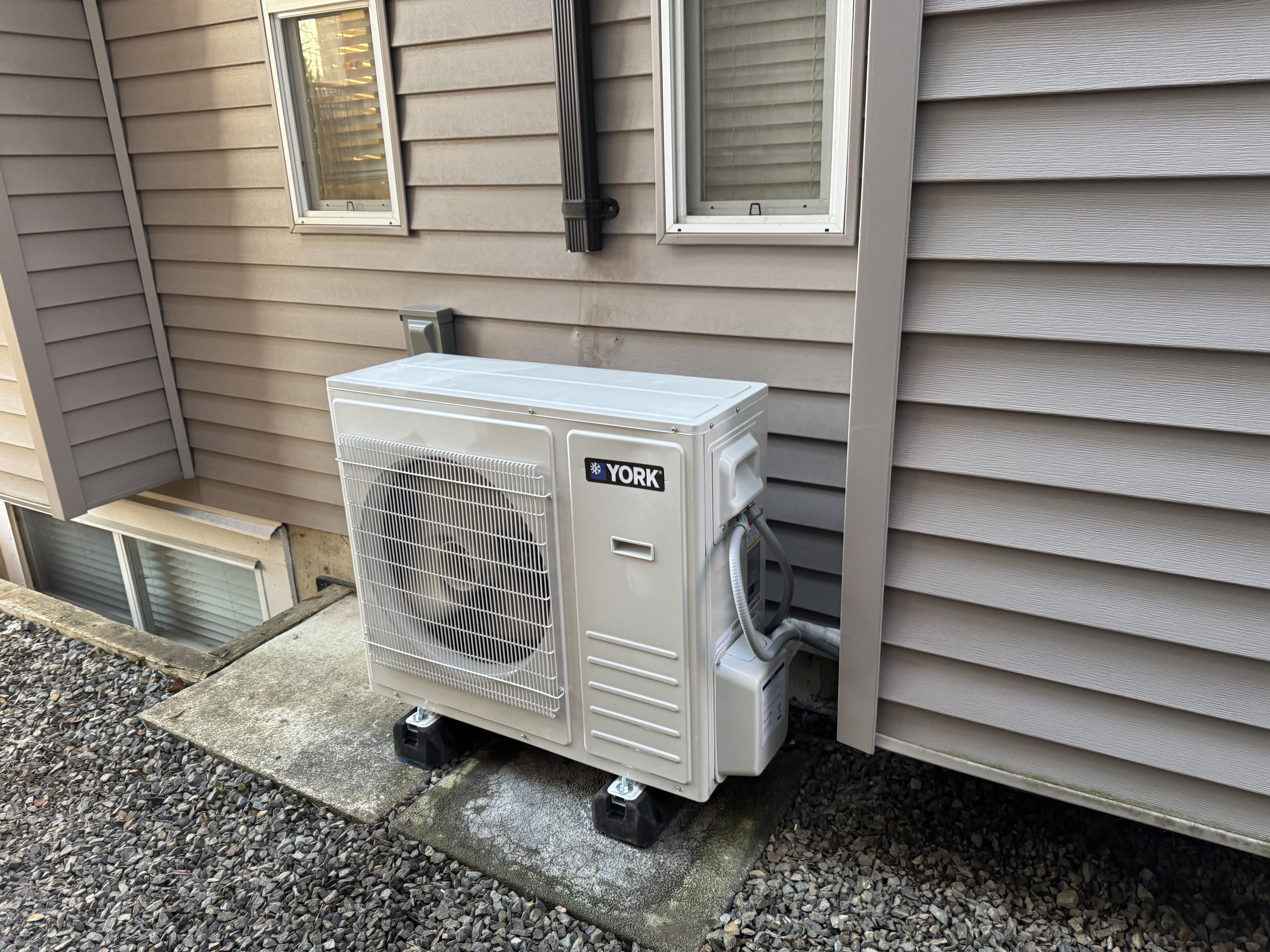
During summer, homeowners in Port Coquitlam depend on their air conditioning systems to maintain indoor comfort and consistent cooling. When the system starts blowing warm air, produces weak airflow, or struggles to cool rooms evenly, it can indicate several underlying HVAC issues. Many homeowners search for answers to why is my ac not cooling after noticing rising indoor temperatures and reduced system performance. Common causes include dirty air filters, refrigerant leaks, thermostat malfunctions, frozen evaporator coils, and blocked outdoor condenser units. Understanding these problems early can help prevent expensive repairs, improve energy efficiency, and maintain reliable cooling performance throughout the warmer season.
Why Is My AC Not Cooling Properly?
One of the most common reasons an air conditioner stops cooling efficiently is restricted airflow caused by dirty air filters. Over time, dust, pet hair, and debris collect inside the filter, limiting the amount of cool air moving through the system. This forces the AC to work harder and can reduce overall cooling performance. Low refrigerant levels may also prevent the system from removing heat properly, especially if a refrigerant leak develops within the unit.
Frozen evaporator coils are another common issue that can reduce cooling efficiency. When airflow becomes restricted or refrigerant levels drop, moisture around the coils can freeze and block proper operation. In many cases, a lack of regular maintenance contributes to these problems. Routine inspections, filter changes, and professional servicing help keep air conditioning systems operating efficiently during peak summer temperatures.
Why Is My AC Not Cooling But Fan Is Running?
When an air conditioner fan continues running but the home still feels warm, it usually indicates a deeper cooling system problem. Several HVAC components work together to produce cool air, and a malfunction in one area can affect overall performance.
Common causes include frozen evaporator coils, low refrigerant levels, compressor failure, or thermostat communication issues. In some cases, airflow may continue through the vents even though the system is unable to remove heat effectively from inside the home. Ignoring these warning signs can place additional strain on the air conditioning unit and increase energy costs over time. Professional inspection and regular maintenance can help identify the issue early and restore proper cooling efficiency.
Thermostat Settings and Sensor Problems
Incorrect thermostat settings are a common but often overlooked reason an air conditioner may stop cooling effectively. Sometimes the thermostat may accidentally be switched from “cool” mode to “fan” mode, causing air to circulate without actually lowering indoor temperatures. Temperature settings that are too high can also create the impression that the AC is not functioning properly.
Faulty thermostat sensor symptoms may also affect system performance by misreading indoor temperatures and disrupting normal cooling cycles. In some homes, dead batteries or calibration issues can prevent the thermostat from communicating correctly with the HVAC system. Smart thermostats may occasionally experience software or connectivity issues that affect cooling accuracy. Regular thermostat inspections help ensure the system operates efficiently and maintains consistent indoor comfort throughout the home.
Electrical Problems Can Stop Your AC From Cooling
When an air conditioner fan keeps running, but the home still feels warm, it usually means the system is experiencing a cooling problem. Common problems can affect AC performance, including frozen evaporator coils, low refrigerant levels, thermostat malfunctions, or compressor failure. In many cases, air continues to flow through the vents, but the system cannot properly remove indoor heat. Dirty air filters and restricted airflow may also reduce cooling efficiency and force the unit to work harder than normal. Ignoring these warning signs can increase energy usage and place additional strain on important HVAC components. Regular maintenance and timely inspections can help identify cooling issues early and improve overall air conditioner performance and indoor comfort.
Leaky Ductwork Can Reduce Cooling Efficiency
Leaky ductwork can significantly reduce the amount of cool air reaching different areas of the home. When cracks or gaps develop inside air ducts, conditioned air escapes before reaching the vents, making rooms feel warmer and less comfortable. This often causes uneven cooling throughout the house, especially in larger homes or older properties.
Air leaks within the duct system can also increase energy usage because the AC must run longer to maintain indoor temperatures. Many homeowners notice rising utility bills without realizing damaged ductwork may be contributing to the problem. Professional duct inspections can identify hidden leaks and improve airflow efficiency, helping the cooling system distribute air more effectively across the home.
Signs You Should Call a Professional
If your air conditioner continues showing performance issues, certain warning signs may indicate the need for immediate HVAC inspection and repair.
Warm air continues coming from the vents even after adjusting the thermostat settings.
Weak airflow throughout the home may indicate blocked ducts or failing AC components.
Ice buildup on evaporator coils or refrigerant lines can reduce cooling efficiency significantly.
Strange noises such as buzzing, grinding, or rattling may signal mechanical or electrical problems.
Burning smells coming from the AC system can indicate overheating or damaged wiring issues.
Frequent cycling or constantly running air conditioners may increase energy costs and strain the HVAC system.
Final Words
Air conditioning systems can stop cooling properly for several different reasons, ranging from dirty air filters and thermostat issues to refrigerant leaks and electrical failures. Identifying these problems early can help homeowners avoid higher repair costs, poor indoor comfort, and unnecessary strain on the system.
Many people searching for answers to why is my ac not cooling discover that regular maintenance and timely inspections play an important role in preventing major breakdowns. Keeping filters clean, inspecting outdoor units, and scheduling professional servicing can improve cooling efficiency and extend the lifespan of the system. When cooling problems continue, professional HVAC assistance is often the safest and most effective solution.
Frequently Asked Questions
Why is my AC running but not cooling?
Your AC may run without cooling because of dirty filters, refrigerant leaks, frozen coils, thermostat problems, or compressor issues affecting overall system performance.
How to reset the AC if not cooling?
Turn off the thermostat and circuit breaker connected to the AC for several minutes before restarting the system to reset its operation safely.
Should I turn off the AC if it is not cooling?
Yes, continuing to run an AC that is not cooling may worsen system damage, especially if frozen coils, airflow restrictions, or electrical problems exist.






Copyright © 2026 Ariana Heating & Air Conditioning Ltd. All rights reserved.